Table of Contents
Table of Contents

There’s nothing quite like the convenience of picking up a rotisserie chicken from your local grocery store for a quick dinner solution. But what happens when you have half a bird sitting in your fridge the next day? Don’t let that delicious leftover rotisserie chicken go to waste! With these seven easy and creative recipes, you’ll transform yesterday’s dinner into today’s culinary masterpiece. From comforting soups to zesty tacos, these dishes are so good you might start buying extra chickens just to make them.
Overview / Definition
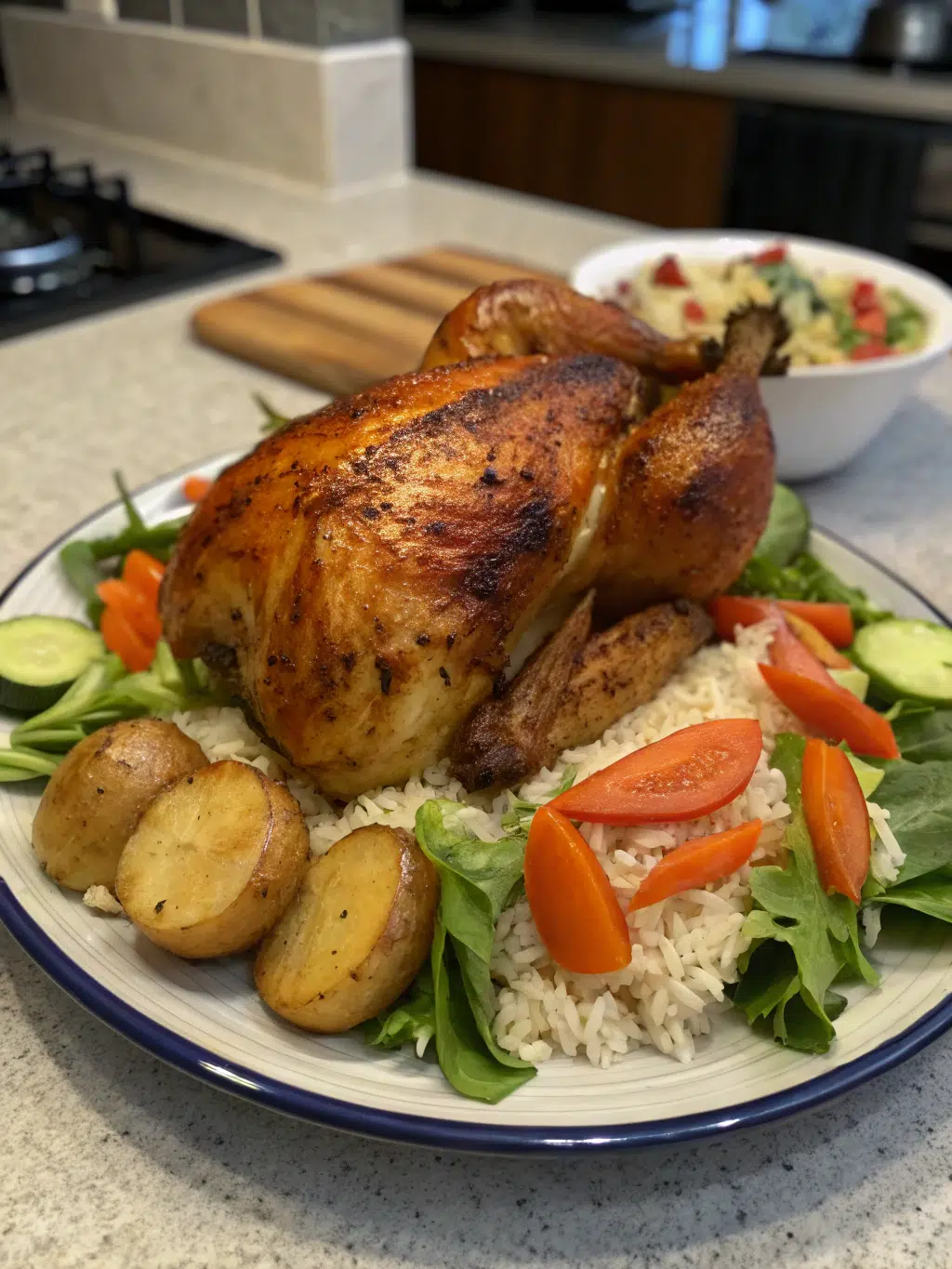
Rotisserie chicken is a fully cooked, seasoned whole chicken that’s been slow-roasted on a rotating spit. Most grocery stores and supermarkets offer these pre-cooked birds as a convenient meal solution. The leftover meat from these chickens becomes an incredibly versatile ingredient that can be repurposed into countless dishes.
When we talk about leftover rotisserie chicken recipes, we’re referring to any dish that uses the remaining meat, bones, and even the skin from a previously purchased rotisserie chicken. This includes everything from quick 15-minute meals to more elaborate preparations that maximize every ounce of flavor from your original purchase.
The beauty of working with pre-cooked chicken is that it’s already seasoned and tender, cutting your cooking time significantly while delivering restaurant-quality results at home.
Importance / Benefits
Using leftover rotisserie chicken offers numerous advantages that go beyond simple convenience. First and foremost, it’s a powerful money-saving strategy. A single rotisserie chicken typically costs between $5-$8 and can provide meat for multiple meals, making your cost per serving incredibly economical.
Time savings represent another major benefit. Since the chicken is already cooked, you eliminate hours of preparation and cooking time. What might normally take an hour to prepare from raw chicken can be ready in just 15-20 minutes using leftovers.
From a nutritional standpoint, rotisserie chicken provides high-quality protein without requiring additional fats or oils for cooking. It’s an excellent option for meal prep enthusiasts who want healthy, portion-controlled meals throughout the week.
Reducing food waste is perhaps the most environmentally important benefit. According to the FDA, Americans waste approximately 30-40% of the food supply. By intentionally repurposing leftovers, you’re contributing to a more sustainable food system while maximizing the value of your grocery budget.
Challenges / Common Mistakes
While working with leftover chicken seems straightforward, several common pitfalls can compromise your results. The most frequent mistake is improper storage. Leaving chicken out at room temperature for more than two hours creates an environment where harmful bacteria can multiply rapidly.
Overcooking the already-cooked meat is another widespread problem. Since the chicken is already fully cooked, adding it too early in a recipe or cooking it at high temperatures for extended periods results in dry, rubbery texture that’s unappetizing.
Many home cooks also make the mistake of discarding the bones and carcass. These components contain incredible flavor and nutrients that can be transformed into rich, homemade stock—a valuable ingredient that costs nothing extra.
Failing to remove the skin before certain preparations can also be problematic. While crispy skin is delightful on its own, it can become soggy and unpleasant in soups, salads, or casseroles where it doesn’t have the opportunity to stay crispy.
Lastly, inadequate seasoning represents a common oversight. While rotisserie chicken comes pre-seasoned, leftovers often need a flavor boost when incorporated into new dishes. Don’t assume the original seasoning will carry through—taste and adjust accordingly.
Step-by-step Guide / Solutions

Here are seven fantastic recipes that will make you excited about having leftover rotisserie chicken in your refrigerator:
- Classic Chicken Noodle Soup: Remove all meat from the bones, then simmer the carcass with vegetables, herbs, and water for 2-3 hours to create a flavorful broth. Strain the broth, add egg noodles, chopped vegetables, and shredded chicken. Season with salt, pepper, and fresh herbs. This comforting soup comes together in about 30 minutes once your broth is ready.
- Chicken Quesadillas: Shred the chicken and mix it with shredded cheese, diced peppers, and onions. Place the mixture between two tortillas and cook in a skillet until golden and crispy on both sides. Serve with sour cream, salsa, and guacamole for a quick weeknight dinner that takes just 10 minutes.
- Chicken Fried Rice: Dice the chicken into small pieces. In a large wok or skillet, scramble eggs and set aside. Stir-fry day-old rice with vegetables like peas, carrots, and corn. Add soy sauce, sesame oil, and the diced chicken. Fold in the scrambled eggs and green onions. This restaurant-quality dish is ready in 15 minutes.
- Buffalo Chicken Wraps: Toss shredded chicken with buffalo sauce until well coated. Warm large tortillas and spread them with ranch dressing or blue cheese dressing. Add the buffalo chicken, shredded lettuce, diced tomatoes, and shredded cheese. Roll tightly and slice in half for a spicy, satisfying lunch.
- Chicken Caesar Salad: Slice the chicken breast meat into strips. Arrange romaine lettuce on plates, top with the sliced chicken, croutons, shaved parmesan cheese, and Caesar dressing. Add a squeeze of fresh lemon juice for brightness. This elevated salad is perfect for a light yet filling meal.
- Chicken Pot Pie: Mix shredded chicken with a creamy sauce made from butter, flour, chicken broth, and milk. Add frozen mixed vegetables and season well. Pour into a pie dish and top with store-bought puff pastry or pie crust. Bake at 400°F until golden brown, approximately 30 minutes.
- Chicken Enchiladas: Combine shredded chicken with enchilada sauce, diced green chiles, and some cheese. Roll the mixture in corn tortillas and place seam-side down in a baking dish. Cover with more enchilada sauce and cheese. Bake at 375°F for 20-25 minutes until bubbly and golden.
Expert Tips
Professional chefs and experienced home cooks have developed numerous strategies for getting the most from leftover rotisserie chicken. Always separate the meat from the bones while the chicken is still slightly warm—it’s much easier than waiting until it’s completely cold.
Store different parts separately for optimal versatility. White meat is ideal for salads and dishes where presentation matters, while dark meat works beautifully in soups, tacos, and casseroles where it stays moister during reheating.
When reheating chicken, add a splash of chicken broth or water to prevent drying. Cover the dish to trap steam, which helps maintain moisture. Alternatively, add the chicken at the very end of cooking time for hot dishes.
Don’t overlook the seasoned skin. You can crisp it up in a hot oven until it becomes like chicken chicharrones—a delicious crispy snack or salad topping. Simply lay the skin flat on a baking sheet and bake at 400°F for 10-15 minutes.
According to USDA guidelines, properly stored cooked chicken remains safe for 3-4 days in the refrigerator. For longer storage, freeze the shredded meat in portion-sized bags for up to 4 months. Label with the date to keep track of freshness.
Season each new dish independently. The rotisserie chicken’s original seasoning provides a foundation, but most recipes benefit from additional herbs, spices, acids, or salt to make the flavors truly shine.
FAQ
Q1: How long can I safely keep leftover rotisserie chicken in the refrigerator?
A1: Leftover rotisserie chicken can be safely stored in the refrigerator for 3-4 days when kept in an airtight container at 40°F or below. Make sure to refrigerate the chicken within two hours of purchase or serving. If you notice any off-odors, discoloration, or slimy texture, discard the chicken immediately as these are signs of spoilage.
Q2: Can I freeze leftover rotisserie chicken?
A2: Yes, rotisserie chicken freezes exceptionally well. Remove the meat from the bones and store it in freezer-safe bags or containers for up to 4 months. For best results, remove as much air as possible from the storage container. Frozen chicken should be thawed in the refrigerator overnight before using in recipes. You can also freeze the carcass for making stock later.
Q3: What’s the best way to reheat leftover rotisserie chicken without drying it out?
A3: The best reheating method depends on your intended use. For maintaining moisture, place the chicken in an oven-safe dish, add a few tablespoons of chicken broth or water, cover tightly with foil, and heat at 350°F for about 15-20 minutes. For microwave reheating, cover the chicken with a damp paper towel and heat in 30-second intervals. Adding the chicken to hot dishes at the last moment also prevents overcooking.
Q4: Should I remove the skin from leftover rotisserie chicken before storing it?
A4: This depends on your intended use. For dishes like soups, salads, or casseroles where the skin won’t stay crispy, it’s best to remove it before storing. However, if you plan to crisp it up later or use it for stock, keep it on during storage. The skin can add significant flavor to chicken stock and can be crisped separately in the oven for a tasty garnish.
Q5: What can I do with the rotisserie chicken carcass?
A5: The carcass is perfect for making homemade chicken stock. Place it in a large pot with water, onions, carrots, celery, garlic, and herbs. Simmer for 2-4 hours, then strain. This stock is far more flavorful than store-bought versions and costs nothing extra. You can freeze the stock in ice cube trays or containers for convenient portions. The stock serves as an excellent base for soups, sauces, and cooking grains.
Conclusion
Transforming leftover rotisserie chicken into exciting new meals is one of the smartest strategies for saving time, money, and reducing food waste in your kitchen. These seven recipes demonstrate just how versatile this humble ingredient can be, taking you from Mexican-inspired dishes to classic comfort foods with minimal effort.
The key to success lies in proper storage, thoughtful seasoning, and avoiding overcooking the already-prepared meat. Whether you’re making a quick weeknight quesadilla or a comforting pot pie for Sunday dinner, you’ll appreciate how these recipes deliver maximum flavor with minimum fuss.
Ready to put your leftover rotisserie chicken to delicious use? Pick up an extra bird on your next grocery run and try one of these crowd-pleasing recipes tonight. Your family will be amazed at what you can create from simple leftovers, and you’ll love the convenience and savings that come with it!