Table of Contents
Table of Contents
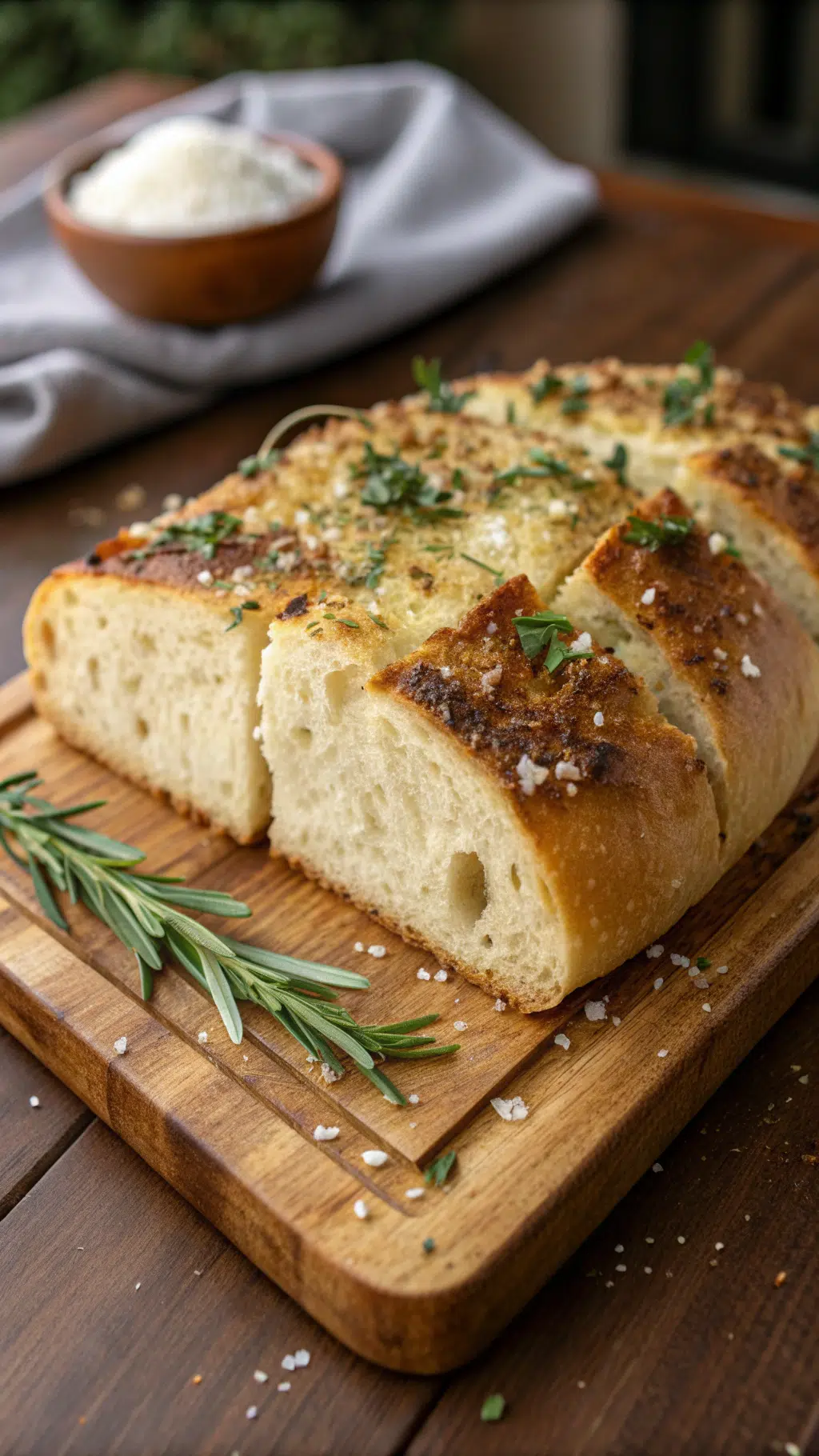
There’s nothing quite like slicing into a loaf of freshly baked artisan bread with a crispy, golden crust and a soft, airy interior. Whether you’re a seasoned baker or just starting your bread-making journey, achieving that perfect crust can seem challenging. In this comprehensive guide, we’ll share seven expert tips that will transform your homemade loaves into bakery-quality masterpieces every single time.
Overview / Definition
Artisan bread refers to bread that is crafted using traditional methods, high-quality ingredients, and careful attention to detail throughout the baking process. Unlike mass-produced commercial bread, artisan loaves are typically made in small batches with minimal ingredients: flour, water, salt, and yeast or sourdough starter.
The hallmark of authentic artisan bread is its distinctive crusty exterior paired with an open, irregular crumb structure inside. These loaves often require longer fermentation times, which develops complex flavors and improves digestibility. The term “artisan” emphasizes the skill and craftsmanship involved in every step, from mixing and shaping to baking.
Popular varieties include sourdough, ciabatta, baguettes, and rustic country loaves. Each style has unique characteristics, but all share the common goal of creating bread with exceptional texture, flavor, and that coveted crunchy crust.
Importance / Benefits
Baking bread at home offers numerous advantages beyond the satisfaction of creating something delicious with your own hands. Understanding proper techniques ensures consistent results and maximizes these benefits.
Nutritional advantages: Homemade bread contains no preservatives, additives, or unnecessary ingredients. The longer fermentation process breaks down gluten and phytic acid, making nutrients more bioavailable and easier to digest.
Superior flavor: The extended fermentation and quality ingredients create complex, nuanced flavors that commercial bread simply cannot match. Each loaf develops its own character based on your environment and technique.
Cost-effectiveness: While artisan loaves from bakeries can be expensive, making them at home costs a fraction of the price. Basic ingredients are inexpensive and readily available.
Creative expression: Bread baking allows you to experiment with different flours, shapes, and additions like herbs, nuts, or seeds. It’s both a science and an art form.
Mental wellness: The meditative process of kneading, shaping, and waiting teaches patience while providing stress relief and a sense of accomplishment.
Challenges / Common Mistakes

Even experienced bakers encounter obstacles when pursuing the perfect crust. Recognizing these common pitfalls helps you avoid frustration and wasted ingredients.
Insufficient oven temperature: Many home bakers don’t preheat their ovens long enough or hot enough. A properly heated oven is critical for crust development and oven spring.
Lack of steam: Professional bakeries use steam-injected ovens. Without adequate moisture in the initial baking phase, your crust will be tough rather than crispy, and the bread won’t expand properly.
Over or under-proofing: Timing is everything in bread baking. Under-proofed dough won’t achieve proper volume, while over-proofed dough collapses and produces dense, flat loaves.
Incorrect hydration levels: Too little water creates dense, dry bread. Too much makes dough difficult to handle and can result in gummy texture. Each flour type absorbs water differently.
Premature cutting: Slicing into bread before it has fully cooled releases steam and moisture, resulting in a gummy interior and softer crust. Patience is essential.
Using old or incorrect yeast: Expired yeast or using the wrong type can prevent proper rising. Always check expiration dates and store yeast properly.
Step-by-Step Guide / Solutions
Follow these seven proven tips to achieve bakery-quality crust consistently:
- Tip 1: Master your dough hydration – Start with a hydration level between 70-75% (water weight compared to flour weight). Higher hydration creates more steam inside the dough during baking, which contributes to a crispier crust and more open crumb. As you gain confidence, experiment with higher hydration levels up to 85%.
- Tip 2: Create maximum steam – Place a metal pan on the bottom oven rack during preheating. When you load your bread, pour one cup of hot water into the pan and quickly close the door. Alternatively, bake in a preheated Dutch oven with the lid on for the first 20 minutes to trap steam around the loaf.
- Tip 3: Preheat thoroughly and use high initial heat – Heat your oven to 450-500°F (230-260°C) for at least 45 minutes before baking. This ensures your baking vessel and oven walls are fully saturated with heat. Start at high temperature for the first 20 minutes, then reduce to 425°F (220°C) to finish baking.
- Tip 4: Develop strong gluten structure – Use proper mixing, folding, and kneading techniques to build gluten networks. These networks trap gases produced during fermentation, creating structure and contributing to crust formation. Try the stretch-and-fold method during bulk fermentation every 30 minutes for the first two hours.
- Tip 5: Score properly with a sharp blade – Use a razor blade or lame to make decisive cuts at a 30-45 degree angle just before baking. Proper scoring controls how the bread expands and creates beautiful patterns. Deep, confident cuts work better than shallow hesitant ones.
- Tip 6: Allow proper fermentation time – Don’t rush the process. Cold fermentation in the refrigerator for 12-24 hours develops deeper flavors and creates a better crust. The slower rise also makes scheduling more flexible and improves the final texture significantly.
- Tip 7: Cool completely on a wire rack – Resist cutting for at least one hour after removing from the oven. Place the loaf on a wire rack so air circulates all around, preventing the bottom from becoming soggy. The internal structure continues setting during cooling, and the crust reaches optimal crispness.
Expert Tips
Invest in quality tools: A digital kitchen scale ensures accuracy, as volume measurements can vary significantly. A Dutch oven or baking stone provides consistent heat distribution. A spray bottle helps add extra moisture before baking.
Understand your flour: Different flours absorb water differently and contain varying protein levels. Bread flour (12-14% protein) works best for crusty loaves. Consider adding a small percentage of whole wheat or rye flour for enhanced flavor complexity and crust color.
Watch, don’t just time: Every oven behaves differently. Look for visual cues: deep golden-brown color, hollow sound when tapped on the bottom, and internal temperature of 200-210°F (93-99°C). King Arthur Baking offers excellent resources for understanding bread doneness.
Control room temperature: Warmer environments speed fermentation, while cooler spaces slow it down. Ideal room temperature for proofing is 75-78°F (24-26°C). Adjust timing based on your kitchen conditions.
Keep a baking journal: Document your process, including flour brands, hydration percentages, timing, and environmental conditions. This helps you replicate successes and troubleshoot problems systematically.
Practice the “poke test”: Gently press your finger into the dough. If it springs back quickly, it needs more time. If it springs back slowly and leaves a slight indentation, it’s ready to bake. If it doesn’t spring back at all, it may be over-proofed.
FAQ
Q1: Why is my bread crust too thick and tough?
A1: An overly thick, tough crust typically results from baking at too low a temperature for too long or from insufficient steam during the initial baking phase. Try increasing your oven temperature and ensuring you create adequate steam in the first 15-20 minutes. Also check that you’re not over-baking—remove the bread when it reaches the proper internal temperature rather than baking for a fixed time.
Q2: Can I make artisan bread without a Dutch oven?
A2: Yes, absolutely! While a Dutch oven makes it easier to trap steam, you can achieve excellent results using a baking stone or heavy baking sheet with the water pan method. Another option is to cover your loaf with a large metal bowl for the first 20 minutes of baking. The key is creating a steamy environment during the initial baking phase.
Q3: How do I store homemade bread to keep the crust crispy?
A3: Store your bread cut-side down on a cutting board at room temperature, covered with a clean kitchen towel. This method allows the crust to breathe while protecting the interior. Avoid plastic bags, which trap moisture and soften the crust. For longer storage, slice and freeze the bread, then toast slices directly from frozen to revive crustiness.
Q4: Why does my bread have a pale crust instead of golden brown?
A4: Pale crusts indicate insufficient oven temperature, inadequate baking time, or dough that lacks sugars for caramelization. Ensure your oven is fully preheated to at least 450°F. Allow your dough proper fermentation time, as this develops sugars that caramelize during baking. You can also try adding a small amount of honey or malt to your dough, or increase the baking temperature slightly.
Q5: How long should I let the dough rise before baking?
A5: Rise time varies based on temperature, yeast amount, and dough composition. For bulk fermentation at room temperature, expect 3-4 hours until the dough roughly doubles. For the final proof after shaping, allow 1-2 hours at room temperature or 8-24 hours in the refrigerator. Use the poke test rather than relying solely on time—properly proofed dough should slowly spring back when gently pressed, leaving a slight indentation.
Conclusion
Creating beautiful crusty loaves at home is entirely achievable once you understand the fundamental principles and techniques. By mastering hydration levels, generating proper steam, using adequate heat, developing gluten structure, scoring effectively, allowing sufficient fermentation, and cooling completely, you’ll consistently produce bakery-quality results.
Remember that bread baking is as much about practice and observation as it is about following recipes. Each loaf teaches you something new about how flour, water, time, and heat interact. Don’t be discouraged by imperfect early attempts—even professional bakers continue learning throughout their careers.
Start with one or two of these tips, master them, then gradually incorporate the others into your routine. Keep notes on what works in your specific environment with your particular equipment. Soon you’ll develop an intuitive feel for the dough and the process.
The journey of baking artisan bread at home rewards patience, curiosity, and persistence with some of the most satisfying food you’ll ever create. Gather your ingredients, preheat that oven, and experience the joy of slicing into a perfectly crusty loaf you made yourself. Your kitchen will smell amazing, and your family and friends will be thoroughly impressed with your newfound skills.