Table Of Contents
Table of Contents

Feeding a family every night can feel overwhelming, especially when you’re trying to stick to a tight budget. The good news is that preparing cheap dinners for a family doesn’t mean sacrificing flavor, nutrition, or variety. With the right recipes and smart planning, you can create delicious, satisfying meals that everyone will love without breaking the bank. In this comprehensive guide, we’ll explore 15 budget-friendly weeknight recipes that will transform your dinner routine and help you save money while keeping your family well-fed and happy.
Overview / Definition
Budget-friendly family dinners are meals designed to feed multiple people while keeping costs low and preparation time manageable. These recipes typically rely on affordable, versatile ingredients like pasta, rice, beans, seasonal vegetables, and economical protein sources such as chicken thighs, ground meat, or eggs.
A truly economical family dinner should cost less than $10-15 total to prepare, serve at least four people, and use ingredients that are readily available at most grocery stores. The best budget meals also offer flexibility, allowing you to substitute ingredients based on what’s on sale or already in your pantry.
These dinners focus on maximizing nutrition and taste while minimizing expense, often incorporating simple cooking techniques that don’t require specialty equipment or advanced culinary skills.
Importance / Benefits
Learning to prepare affordable family meals offers numerous advantages beyond just saving money. Understanding how to cook budget-friendly dinners empowers you to take control of your household finances while improving your family’s overall health and well-being.
Financial savings: The average American family spends over $200 per week on groceries. By implementing budget-conscious meal planning, you can reduce this expense by 30-50%, freeing up money for savings, debt reduction, or other priorities.
Health benefits: Budget meals prepared at home are typically healthier than takeout or processed convenience foods. You control the ingredients, portion sizes, and cooking methods, reducing sodium, unhealthy fats, and preservatives in your family’s diet.
Reduced food waste: Planning economical meals encourages you to use what you have, repurpose leftovers creatively, and be more mindful about food storage and preservation.
Life skills development: Cooking on a budget teaches valuable skills to both adults and children, including meal planning, smart shopping, resourcefulness, and kitchen confidence that will serve them throughout life.
Family bonding: Preparing meals together creates opportunities for connection, conversation, and creating lasting memories around the dinner table.
Challenges / Common Mistakes
Even with the best intentions, families often encounter obstacles when trying to prepare affordable meals. Recognizing these common pitfalls can help you avoid them and stay on track with your budget goals.
Buying without a plan: Shopping without a meal plan or grocery list leads to impulse purchases, wasted ingredients, and higher overall costs. Without knowing what you’ll cook, you’re more likely to buy unnecessary items or forget essential ingredients.
Ignoring unit prices: Many shoppers focus on the sticker price rather than the cost per ounce or pound. Larger packages often offer better value, but not always. Comparing unit prices ensures you’re truly getting the best deal.
Relying too heavily on processed foods: While some convenience items can be time-savers, building meals around highly processed foods is expensive and less nutritious than cooking from scratch with whole ingredients.
Not utilizing leftovers: Throwing away leftovers or letting ingredients spoil before using them wastes both food and money. Successful budget cooking requires planning for leftovers and finding creative ways to repurpose them.
Avoiding frozen and canned goods: Fresh isn’t always better from a budget or nutrition perspective. Frozen vegetables and canned beans are affordable, nutritious, and have long shelf lives, making them excellent budget staples.
Shopping when hungry: This classic mistake leads to overspending on snacks and items you don’t need. Always eat before grocery shopping to maintain focus and discipline.
Not checking what you have: Buying duplicates of items already in your pantry or refrigerator wastes money. Always inventory your kitchen before shopping.
Step-by-step Guide / Solutions

Creating affordable family dinners requires a systematic approach that combines smart planning, strategic shopping, and efficient cooking. Follow these steps to master budget-friendly meal preparation:
- Step 1: Inventory your pantry and freezer. Before planning meals or shopping, check what ingredients you already have. Base some meals around these items to reduce waste and spending. Keep a running list of staples that need replenishing.
- Step 2: Plan your weekly menu. Choose 5-7 dinner recipes for the week, considering your schedule and which nights you’ll have more or less time to cook. Include at least one leftover night to maximize food usage.
- Step 3: Create a detailed shopping list. Write down every ingredient needed for your planned meals, organized by store section. Check your inventory again to avoid buying duplicates, and stick to your list when shopping.
- Step 4: Shop strategically. Compare prices between stores, use coupons and apps, buy store brands, and focus on seasonal produce. Shop sales and stock up on non-perishables when prices are low.
- Step 5: Prep ingredients in advance. Dedicate time to wash and chop vegetables, portion meat, or prep components of meals. This makes weeknight cooking faster and reduces the temptation to order takeout.
- Step 6: Cook in batches when possible. Double recipes and freeze portions, or prepare components like rice, beans, or sauces that can be used in multiple meals throughout the week.
- Step 7: Store food properly. Use airtight containers, label and date everything, and organize your refrigerator and freezer so items don’t get lost and forgotten.
- Step 8: Repurpose leftovers creatively. Transform yesterday’s roast chicken into today’s chicken tacos or soup. Think of leftovers as convenient ingredients rather than reheated meals.
The 15 Best Budget-Friendly Family Dinner Recipes
These tested recipes deliver maximum flavor and nutrition for minimal cost. Each serves a family of four and costs approximately $8-12 to prepare.
1. One-Pot Pasta Primavera
This streamlined pasta dish cooks everything in one pot, saving time on cleanup. Use any combination of frozen or fresh vegetables you have on hand, pasta, garlic, olive oil, and Parmesan cheese. The starchy pasta water creates a simple, creamy sauce without expensive cream.
2. Sheet Pan Chicken and Vegetables
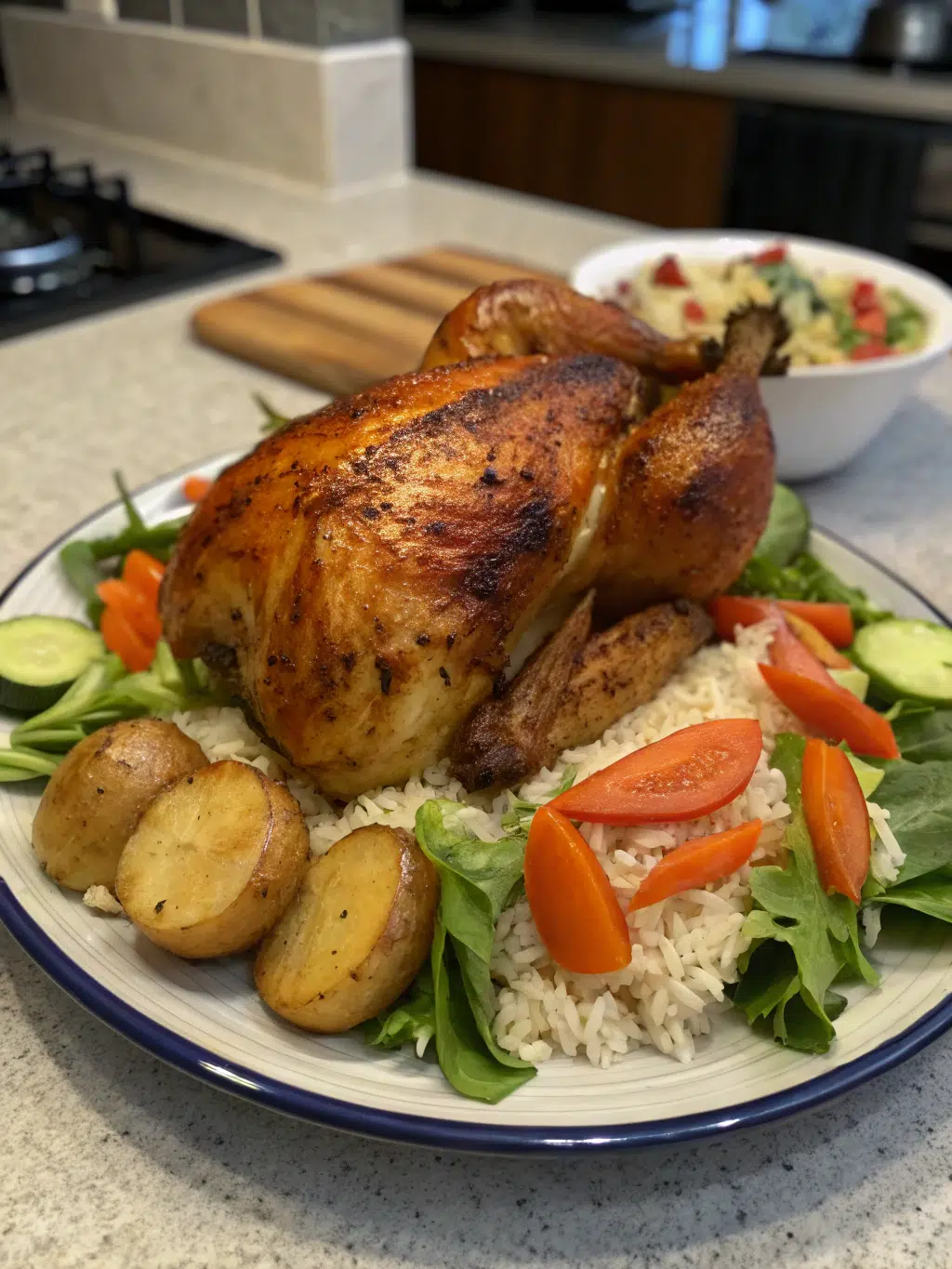
Season chicken thighs (more affordable than breasts) with herbs and roast alongside potatoes, carrots, and onions. Everything cooks on one pan at 400°F for about 40 minutes. The result is a complete meal with minimal effort and maximum flavor.
3. Black Bean and Rice Bowls
This protein-packed vegetarian meal combines cooked rice, seasoned black beans, salsa, shredded cheese, and any toppings you like such as lettuce, tomatoes, or avocado. It’s nutritious, filling, and costs just pennies per serving.
4. Slow Cooker Chili
Ground beef or turkey, canned tomatoes, beans, onions, and chili spices simmer all day in a slow cooker. Serve with cornbread or over rice. This makes enough for dinner plus leftovers for lunch or to freeze for another meal.
5. Breakfast for Dinner
Scrambled eggs, toast, and roasted potatoes make a satisfying dinner that costs less than $1 per person. Add bacon or sausage if your budget allows, or serve with fruit and yogurt for a balanced meal.
6. Baked Potato Bar
Large russet potatoes baked until fluffy become the base for a customizable dinner. Set out toppings like broccoli, cheese, sour cream, chili, or bacon bits and let everyone create their own loaded potato.
7. Spaghetti with Meat Sauce
This classic never goes out of style. Brown ground beef with onions and garlic, add canned tomato sauce and Italian seasonings, and simmer while pasta cooks. Serve with garlic bread made from budget-friendly hot dog buns brushed with butter and garlic powder.
8. Chicken Fried Rice
Transform leftover rice and small amounts of vegetables and meat into a complete meal. This dish is perfect for using up odds and ends from your refrigerator. Eggs add protein and richness, while soy sauce provides flavor without expensive ingredients.
9. Bean and Cheese Quesadillas
Spread refried beans and shredded cheese between tortillas and cook in a skillet until crispy. Serve with salsa, sour cream, and a simple side salad. Kids love these, and they’re ready in less than 15 minutes.
10. Lentil Soup
Dried lentils are incredibly inexpensive and packed with protein and fiber. Simmer them with carrots, celery, onions, canned tomatoes, and broth for a hearty, warming soup. According to the American Heart Association, lentils are excellent for heart health and budget-conscious eating.
11. Tuna Noodle Casserole
This retro favorite combines canned tuna, cooked pasta, frozen peas, cream of mushroom soup, and cheese, then bakes until bubbly. It’s comfort food that feeds a crowd for very little money.
12. Homemade Pizza
Making pizza from scratch costs a fraction of delivery. Use store-bought dough or make your own, spread with sauce, and add cheese and toppings. Everyone can customize their own section of the pizza with their favorite ingredients.
13. Turkey and Vegetable Stir-Fry
Ground turkey costs less than chicken breast and works beautifully in stir-fries. Cook with frozen stir-fry vegetables, soy sauce, garlic, and ginger, then serve over rice. This meal comes together in less than 20 minutes.
14. Baked Ziti
Layer cooked pasta with marinara sauce, ricotta cheese, and mozzarella, then bake until golden. This makes enough for dinner plus leftovers, and it actually tastes better the next day. It’s also freezer-friendly for future meals.
15. White Bean and Sausage Skillet
A small amount of smoked sausage flavors a large quantity of white beans, tomatoes, and spinach. Serve with crusty bread for dipping. This rustic, satisfying meal proves that eating on a budget doesn’t mean boring food.
Expert Tips
Build meals around inexpensive proteins. Eggs, beans, lentils, chicken thighs, ground meat, and canned tuna offer excellent nutrition at budget-friendly prices. Reserve expensive proteins like steak or seafood for special occasions.
Master a few versatile base recipes. Learning to make basic rice, pasta, beans, and bread dough from scratch gives you endless meal possibilities. These staples cost pennies and can be transformed into dozens of different dishes.
Shop seasonally. Produce costs significantly less when it’s in season locally. Summer is the time for tomatoes, zucchini, and corn, while winter offers affordable squash, cabbage, and root vegetables. The USDA provides seasonal produce guides to help you shop smart.
Use cheaper cuts of meat. Tough cuts like chuck roast, pork shoulder, or chicken thighs become tender and flavorful with slow cooking methods. These cuts often cost half as much as premium options but deliver equally delicious results.
Embrace meatless meals. Going vegetarian once or twice a week significantly reduces your grocery bill since plant-based proteins cost much less than meat. Beans, lentils, tofu, and eggs are nutritious and filling alternatives.
Grow herbs at home. Fresh herbs are expensive at the store but easy to grow on a windowsill. A small investment in herb plants or seeds pays for itself within weeks and dramatically improves your cooking.
Make your own convenience mixes. Pre-made taco seasoning, Italian seasoning, and similar products cost more than buying spices in bulk and mixing your own. Create large batches and store in airtight containers.
Join a wholesale club strategically. If you have storage space and can use bulk quantities before they expire, warehouse stores offer significant savings on staples like rice, pasta, canned goods, and frozen vegetables.
Track your actual costs. Keep receipts and note what meals cost to prepare. This helps you identify your most economical recipes and see where you might be overspending.
FAQ
Q1: How much should I budget per person for dinner?
A1: For budget-conscious families, aim for $2-3 per person per meal. This means a family of four should spend approximately $8-12 per dinner. With strategic planning and the recipes outlined in this guide, you can consistently hit this target while serving nutritious, satisfying meals.
Q2: Are frozen vegetables as nutritious as fresh ones?
A2: Yes, frozen vegetables are often equally or more nutritious than fresh ones because they’re frozen at peak ripeness, locking in nutrients. They’re also more affordable, last longer, and reduce food waste. Fresh vegetables that have been transported long distances and stored for days may actually have fewer nutrients than their frozen counterparts.
Q3: How can I make budget meals more exciting for picky eaters?
A3: Involve children in meal planning and preparation to increase their interest in trying new foods. Use familiar formats like tacos, pasta, or pizza with different ingredients. Add fun toppings or dipping sauces, and introduce new foods alongside favorites. Building meals that can be customized (like rice bowls or baked potato bars) lets picky eaters control what goes on their plates.
Q4: What are the best pantry staples for budget cooking?
A4: Essential budget pantry staples include rice, pasta, dried beans and lentils, canned tomatoes, chicken or vegetable broth, flour, cooking oil, soy sauce, vinegar, and basic spices like garlic powder, onion powder, chili powder, and Italian seasoning. These versatile ingredients form the foundation of countless economical meals.
Q5: How long can I safely store leftovers?
A5: Most cooked leftovers remain safe in the refrigerator for 3-4 days when stored in airtight containers. For longer storage, freeze portions in freezer-safe containers for up to 3 months. Always label containers with contents and date, and when reheating, ensure food reaches 165°F throughout to eliminate any bacteria.
Conclusion
Creating delicious, nutritious dinners for your family on a tight budget is entirely achievable with proper planning, smart shopping strategies, and a collection of reliable recipes. The 15 budget-friendly meals outlined in this guide prove that affordable eating doesn’t require sacrificing flavor, variety, or nutrition.
By implementing the strategies discussed—from meal planning and strategic shopping to batch cooking and creative leftover use—you’ll not only reduce your grocery expenses but also gain confidence in the kitchen and establish healthier eating habits for your entire family.
Remember that mastering budget cooking is a skill that improves with practice. Start with a few familiar recipes, gradually expand your repertoire, and don’t be afraid to experiment with ingredients and substitutions based on what’s available and affordable in your area.
Take action today by choosing one or two recipes from this guide, creating your shopping list, and committing to preparing cheap dinners for a family this week. Your wallet—and your family—will thank you for making the effort to serve homemade meals that nourish both body and budget.